


How to Repair a Tarp or Truck Side Curtain
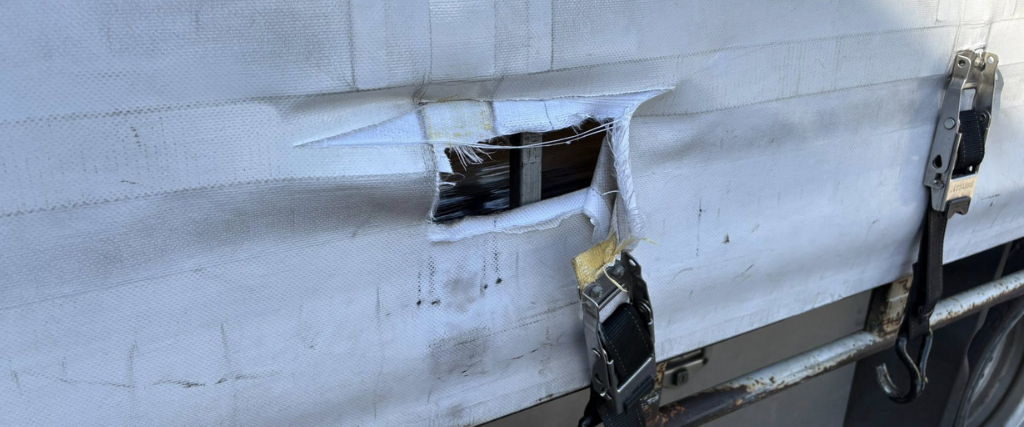
Tarps are made to handle heavy-duty use and harsh conditions. Whether you use them in transport, agriculture, mining or industrial work, they are in constant strain and over time they are bound to break in some capacity.
There are steps that you can take to prevent this from happening, such as where you store them, how you use them, and how you clean them. However, if a tarp does tear, it’s important to know how to repair a tarp quickly to
Common Reasons Tarps Tear or Get Damaged
Understanding the most common ways that tarps get damaged is the first step to prevention. Here are some common reasons tarps get damaged and need repairs:
- Harsh winds that cause flapping that puts strain on the eyelets
- Sharp edges/corners on equipment or loads
- Prolonged UV exposure
- Overstretching tarps during tie-down
- Not using the right tarp for the job
- Friction from constant rubbing against rough surfaces
- Pooling water
- Poor handling, folding and storage practices
- Age, wear & tear
Recognising the risks, you can take steps to protect your tarps and extend their lifespan. A few preventative measures will save you time and replacement costs.
Truck Curtain Side Repairs
Similar to regular tarps, truck side curtains face constant strain, which eventually leads to wear and tear around buckles, straps and seams. Some of the most common repairs include:
- Replacing worn or broken buckles and straps
- Reinforcing high-stress areas, corners and tie-down points
- Patching holes and tears
- Restoring waterproof seams
At Bee Jays Canvas, we repair truck side curtains using various methods to ensure the best results. All repairs are carried out using industrial-grade materials and equipment, ensuring your curtain side is ready for transport conditions.
Industrial Tarp Repair Methods
When a tarp or side curtain arrives at our Perth workshop, we begin with a full inspection to identify any weak points, such as worn seams, stretched fabric, or damaged eyelets. From there, our team will select the best method to get your tarp back in working order.
Our tarp repair methods include:
Industrial Stitching
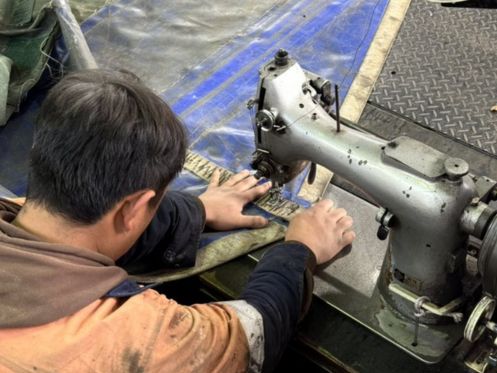
Here at Bee Jays Canvas, we use industrial twin-needle sewing machines to patch holes, replace worn fabric sections and reinforce seams. Using heavy-duty thread, we provide strong, secure stitching that restores your tarp and extends its lifespan.
Vinyl Welding
When repairing PVC tarps, vinyl welding is the preferred method. Vinyl welding involves using heat to fuse materials together to form a bond that is stronger than using stitching alone. This ensures that your tarp remains waterproof and durable even under constant stress.
High-Frequency Welding
High-frequency welding uses electromagnetic energy to create precise, clean welds. This method is ideal for producing consistent results across large areas of PVC to ensure that repairs are long-lasting. The resulting weld can be just as strong, or even stronger than, the original material.
Wedge Welding
Wedge welding is used for repairing long seams or wide damaged sections. A heated wedge is applied between layers of PVC, bonding them together as the material passes through the welder. This method creates strong, airtight and waterproof seams that reduce the risk of failure under heavy use.
Hot Air Welding
Hot air welding is suited to smaller or more detailed repairs. A stream of heated air, often around 400-730°C softens the PVC while pressure bonds the material, creating clean and durable seams.
Our team is equipped with the latest tarp repair equipment to ensure that you get the best result. Every tarp is checked before it leaves our workshop to ensure the repair is durable and ready for heavy use. Contact our team today for any additional information.
Signs Your Tarp or Side Curtain Needs a Professional Repair
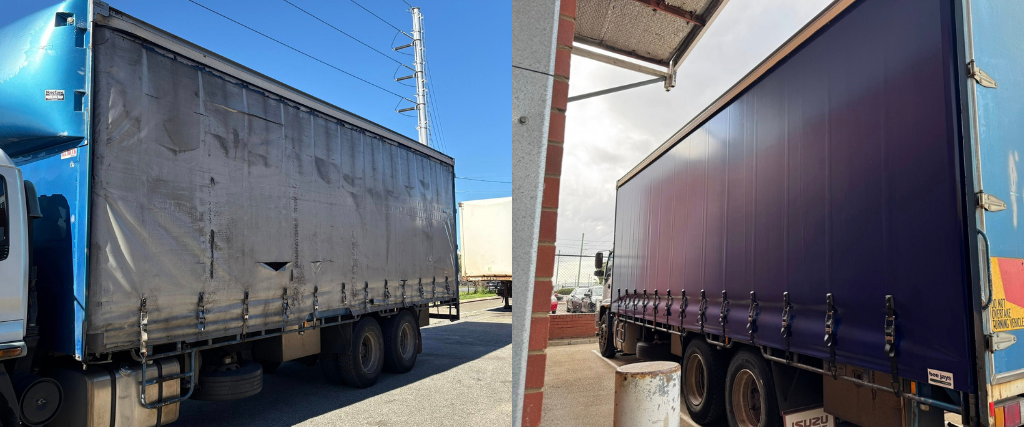
A tarp or side curtain with large rips or multiple tears should be repaired by a specialist. If the fabric is sun-damaged, brittle, or thin, or if the same area has been patched several times and keeps failing, replacement is often the better option.
Professional repairs will extend the life of your tarp, but only if the base material is still sound.
When to Repair and When to Replace Your Tarp
Repair is the right option when the damage is limited to one area and the rest of the tarp is still strong and flexible. This is often more cost-effective than buying new. Replacement is better when the material has become thin or brittle, when seams and tie-down points fail repeatedly, or when safety and compliance are at risk.
Choosing between repair and replacement depends on the size of the damage, the age of the tarp, and the role it plays in your operations. If you are unsure, be sure to contact the friendly team at Bee Jays.
Tips to Prevent Tarp Damage
Proper care prevents damage, reduces repair costs, and extends the life of your tarps. Always store tarps in a dry, shaded area when not in use to protect against mould and UV exposure. Avoid dragging them over rough surfaces or sharp objects, as this can weaken the material. Use correct tie-down methods to distribute pressure evenly and prevent stress points. Regular inspections help identify small issues early, while cleaning off dirt, oil, and chemicals protects the fabric from premature wear.
Why Choose Beejays Canvas?
Beejays Canvas has been repairing and manufacturing tarps in Perth for decades. We work with canvas, PVC, and polyethylene tarps, offering fast turnaround times to get your business back without delays. We also offer mobile tarp repairs if you are located outside of Perth.
Our team uses industrial-strength materials and techniques to restore your tarps to working order and extend their lifespan. We also provide reinforcement options to strengthen high-wear areas. With Australia-wide delivery from our Perth workshop, you get expert service no matter where you are based.
If you need professional help to repair a ripped tarp or want advice on whether repair or replacement is the best choice, contact Beejays Canvas today.
What our customers say
