


Preventing Freight Damage: How Truck Tarps Protect Freight During Transport
Freight damage is easy to dismiss until it lands on your desk. A load arrives wet, contaminated or shifted out of position, and suddenly you are dealing with damaged freight, a frustrated customer and an unexpected disruption to your supply chain.
A well-matched truck tarp is one of the most straightforward tools available to reduce this risk. It helps protect cargo from rain, dust, UV exposure and windborne debris throughout the shipping process.
This comprehensive guide explores the common causes of freight damage, the environmental challenges facing transport operators in Western Australia, and the tarp solutions available to protect freight over long distances.
Common Causes of Freight Damage During Transit
Freight can suffer physical damage at almost any stage of transportation, from initial loading and handling through to unloading at the final destination. Understanding the typical causes helps operators take reasonable steps to prevent freight damage and reduce supply chain risks.
Inadequate packaging
Inadequate packaging is one of the most common causes of cargo damage. Packaging materials that are too weak, poorly fitted, or unsuitable for transit conditions can collapse, tear, or allow goods to move within their containers.
Delicate items and irregularly shaped cargo may require reinforced boxes, edge protection, internal supports or custom crating. Proper packaging should also minimise empty space that could allow items to move, strike other cargo or become damaged during transit.
Rough handling
Rough handling during loading and unloading can result in crushed packaging, broken goods and other forms of physical damage. Each additional handover between depots or multiple carriers creates another opportunity for mishandling.
Clear handling instructions, appropriate equipment and reliable carrier selection can help avoid mishandling and protect vulnerable freight throughout the shipment.
Poor weight distribution and improper stowage
Poor weight distribution and improper stowage can allow cargo to move during braking, cornering or travel over uneven roads. This creates a serious safety risk and can cause damaged cargo, vehicle instability or breaches of applicable weight limits.
Cargo must be correctly positioned and secured with an appropriate restraint system. A tarp can provide secondary containment for loose material, but standard tarps should not be used as the primary method of preventing freight from shifting.
Improperly secured tarps
A tarp that is too small or poorly secured can leave gaps around the edges, allowing wind-driven rain, road spray, dust and debris to reach the freight, while loose covers may flap against the load and suffer further damage. Tarps that are worn or torn can further expose the freight load throughout the journey. Our tarp repair service can solve issues such as tears, damaged seams, worn fittings and PVC deterioration. We cover both in-workshop and mobile repair, with a fast turnaround to keep your fleet on the road.
Environmental Factors Affecting Cargo Damage
Western Australia’s climate makes environmental exposure a significant issue for transport operators. Perth has an average summer maximum temperature of around 31°C and regularly experiences Very High to Extreme UV levels during the warmer months.
Prolonged UV exposure can degrade some packaging materials, fade labels and weaken load coverings over time. Quality UV-stabilised PVC tarpaulins provide strong resistance to water, sunlight and mildew, helping to protect freight in demanding transit conditions.
Heat also creates temperature fluctuations inside enclosed loads. Temperatures inside enclosed and uninsulated freight bodies can rise above the outside air temperature when the vehicle is exposed to direct sunlight. This can increase the risk of cargo damage for temperature-sensitive goods.
Winter brings different supply chain risks. Cold fronts moving through southern WA can deliver wind gusts above 90 km/h and heavy rain. Uncovered pallets on major WA freight routes can quickly suffer water damage during severe weather.
Infestation damage and contamination can also affect certain types of freight. While a tarp does not replace appropriate packaging or pest-control procedures, an enclosed and well-maintained cover can reduce direct exposure to environmental contaminants.
How Truck Tarps Reduce Freight Damage
A properly specified tarp performs several important functions. It creates a physical barrier against rain and dust, reduces direct UV exposure and helps contain loose bulk material.
The right tarp can significantly reduce exposure to environmental factors, but it is only one part of preventing cargo damage. Proper packaging, safe handling, compliant load restraint and suitable carrier selection remain essential steps.
NHVR identifies tarpaulins as the primary protection against weather and dust for uncovered freight. It also recognises properly secured tarps as a method of preventing loose bulk material from escaping a load.
WA law requires vehicle loads to be safely positioned and restrained. Penalties may apply where an unsecured load can move, fall or shed material onto the road. A tarp should therefore complement, rather than replace, a compliant restraint system suited to the vehicle and cargo.
Fully Enclosed vs Partial Tarp Coverage
The right coverage level depends on what you’re carrying and where.
Fully enclosed options
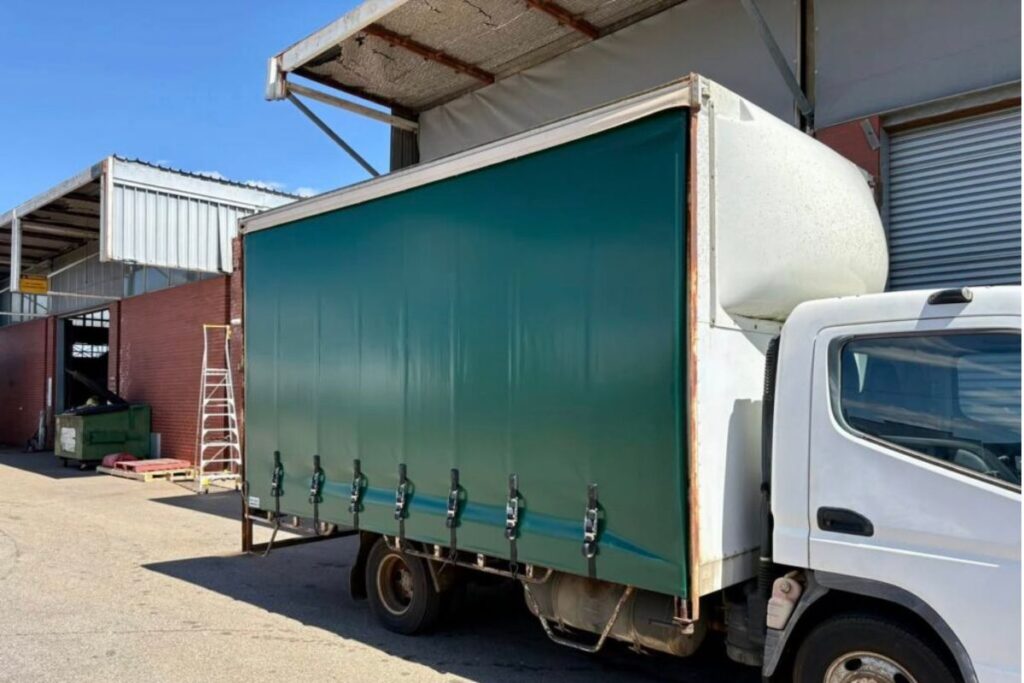
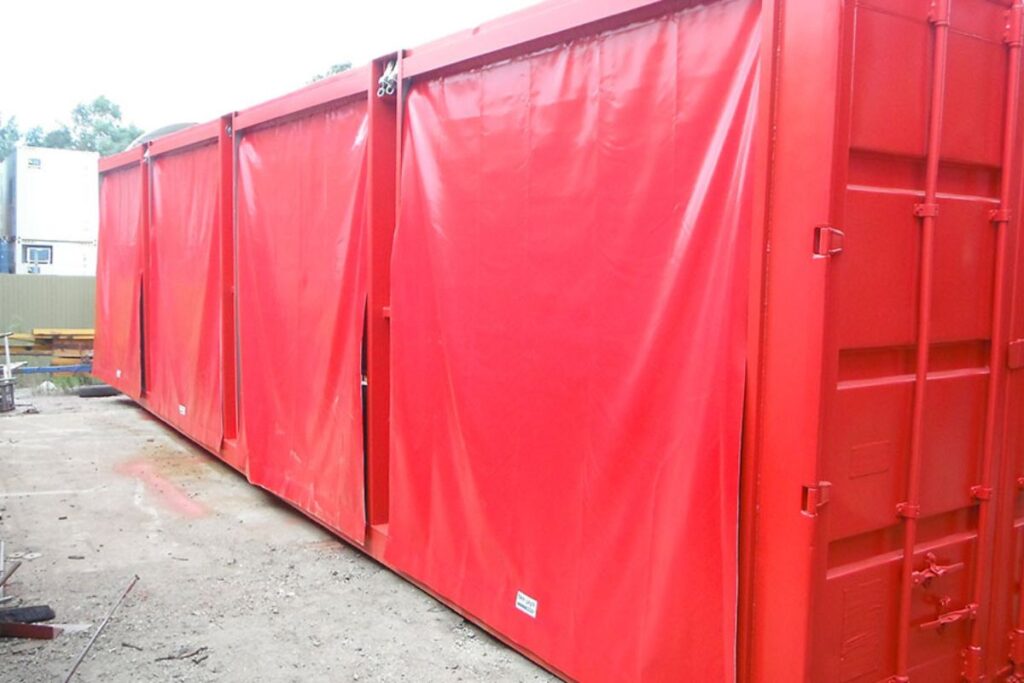
Fully enclosed tarp options, such as truck side curtains and retractable roll tarps, are a great choice for moisture-sensitive freight, high-value goods, or any load where contamination is a serious risk. By covering the roof and sides of the load area, these systems reduce the gaps through which water, dust or debris can reach the cargo. Truck side curtains also provide access along the side of the vehicle, which can make forklift loading and unloading more efficient than working through rear doors alone.
Partial coverage
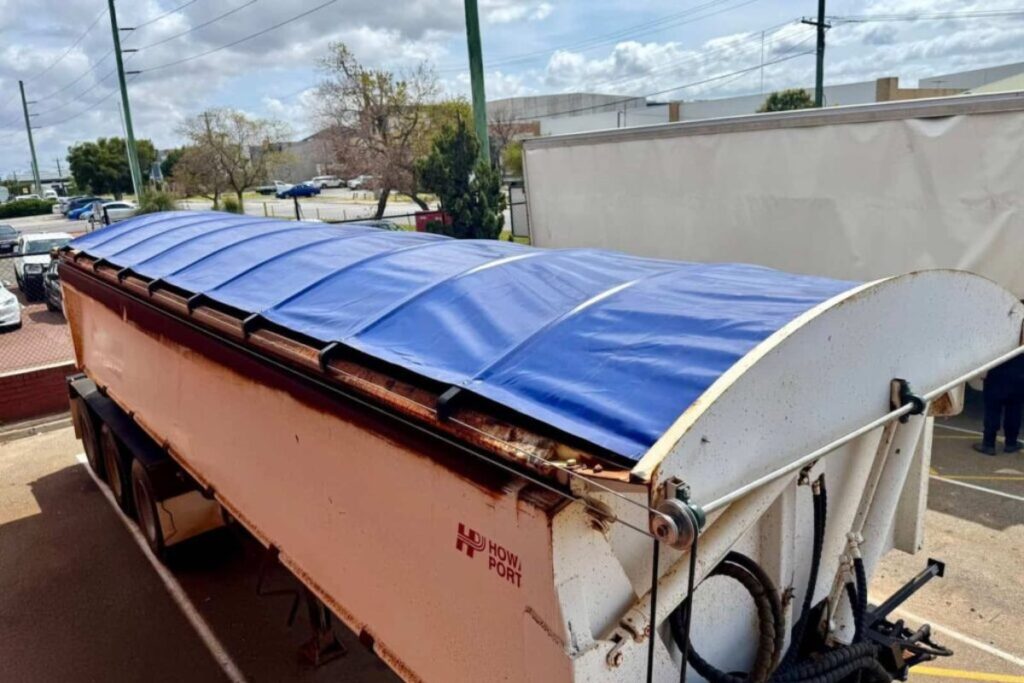
Partial coverage systems, such as pull-out tarps, are commonly used for suitable bulk loads like aggregates and ore where water ingress is a lower risk and fast loading and unloading is a priority. Partial covers are often easier and faster to open and close than fully enclosed systems. For tippers running regular runs between mine and port, this is often the practical choice.
Best Tarp Solutions for Long-Distance Load Transport
For operators running long WA corridors, the tarp choice really matters. A few setups that work well:
- Wind-out truck tarps are well suited to remote routes where a single operator needs to cover a load safely without climbing on the truck. They allow operators to cover loads from ground level, reducing the need to climb.
- Heavy-duty roll tarps made from materials such as 650 Ripstock PVC are commonly selected for bulk tippers operating over long distances. They’re durable enough for the Pilbara and hold up over thousands of kilometres.
- Pull-out tarps are a cost-effective option for smaller tipper trucks, trailers and utilities. We offer these systems in 400 gsm commercial-grade mesh and 650 gsm Ripstock PVC.
Explore Tarps for Your Freight
Freight damage claims come with costs that go well beyond the replacement value of the goods. There’s the admin, the reverse logistics, the customer complaints, and the lost sales from damaged shipments that don’t get reordered. Many road-freight contracts limit or exclude carrier liability, meaning compensation may be lower than the full value of the damaged goods.
A properly specified tarp is a straightforward way to reduce that exposure. Bee Jays Canvas have been manufacturing and supplying tarp solutions to a range of industries since the 80’s. If you’re not sure what’s right for your vehicles, loads, and routes, get in touch with our team, and we’ll help you work it out.
Frequently Asked Questions
A tarp does not determine carrier liability, but photographs of the covered and restrained load may provide useful evidence if damage is disputed. It also demonstrates that reasonable steps were taken to protect the load, which matters in any dispute over liability.
In many cases, yes. The suitability depends on the existing frame and body configuration of your tipper. Our team can assess your vehicle and advise on what’s possible. It’s worth doing if your drivers are manually covering loads on remote routes, both for safety and for reducing tarp damage during the covering process.
What our customers say
