

What Is a Roof Tarp and When Should You Use One?
What is a Roof Tarp?
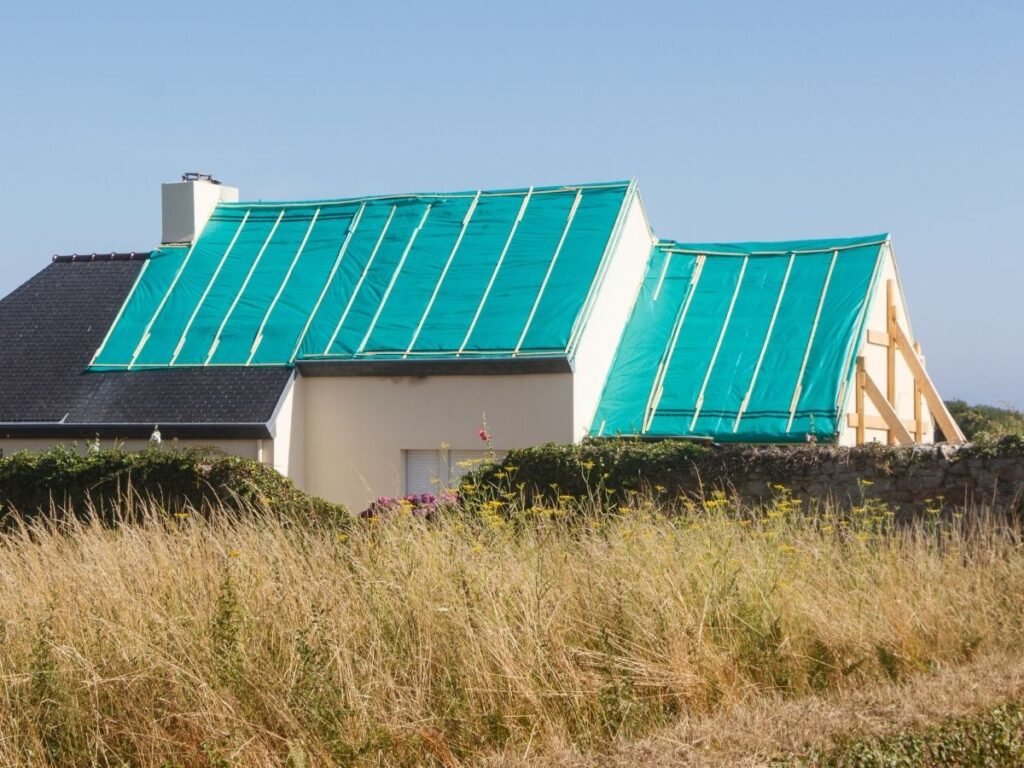
A roof tarp is a waterproof cover designed to protect a building, house, or roof area from adverse weather conditions. When permanent roofing is unavailable, delayed, or under repair, roof tarps can be a great temporary option while work is in progress.
A roof tarp needs reinforced edges, strong eyelets, and secure tie points to ensure stability and access during a building project. Poor-quality tarps fail quickly and typically cost more in the long term.
At Bee Jays, we create custom tarps made from high-quality materials that are waterproof, weather-resistant, and built to last. Contact a member of our team today to see how we can help.
What Materials Are Best for a Roof Tarp?
The tarp material you choose affects strength, lifespan, and how well a roof tarp performs in harsh weather conditions. For most roof protection applications, PVC and polyethylene remain the two most suitable options, each designed for different levels of use and exposure.
PVC Tarps
PVC roof tarps suit heavy-duty roof protection where strength and durability matter. They are fully waterproof and built to handle adverse weather conditions, including strong winds and UV exposure. The added weight helps the tarp sit securely over a roof, improving stability and security on exposed sites.
Why Choose PVC?
- High strength for large spans and exposed roofs
- Excellent waterproof performance
- Strong UV resistance for Australian conditions
- Better durability for ongoing site use
- Added weight improves stability in the wind
Poly Tarps
Polyethylene roof tarps suit lighter-duty roof cover, where flexibility and ease of handling matter. They provide waterproof protection against changing weather conditions and work well for short-term use across building and maintenance sites in Australia. The lighter weight makes poly tarps easier to install, adjust, and remove when access is required.
Why Choose Polyethylene?
- Lightweight material for easy handling
- Waterproof cover for temporary roof protection
- Suitable for short-term or emergency use
- Lower upfront cost compared to PVC
- Available in common stock sizes for quick use
Common Industries That Use Roof Tarps
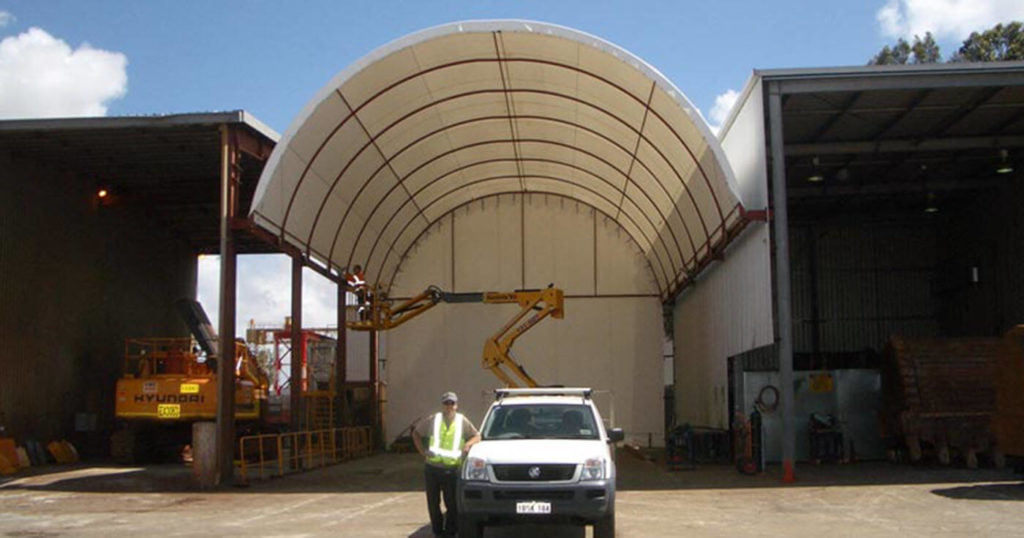
Roof tarps play an important role across many industries where temporary roof protection is required. They help protect buildings, equipment, and work areas from changing weather conditions while maintaining access and safety on active sites.
Mining and Resources
Mining operations use roof tarps to cover equipment, processing areas, and temporary structures. Heavy-duty tarps protect assets from rain, dust, and UV exposure, helping reduce downtime and maintain site reliability.
Agriculture
Agricultural tarps provide cover for sheds, machinery, feed storage, and work areas. They offer cost-effective roof protection during seasonal weather changes, repairs, or expansion works.
Transport and Logistics
Transport and logistics operators use roof tarps to protect loading areas, vehicles, and temporary storage zones. Roof tarps help maintain workflow by keeping goods and equipment dry during adverse weather conditions.
Construction and Building
Builders rely on roof tarps to protect houses, commercial buildings, and worksites when permanent roofing is delayed or removed. Roof tarps allow work to continue while ensuring security and weather protection.
Industrial and Manufacturing
Industrial roof tarps are used to cover machinery, work zones, and temporary structures. Durable materials and secure fixing systems ensure reliable protection in high-use environments.
Considerations Before Choosing a Roof Tarp
Choosing the right roof tarp starts with understanding how and where it will be used. Site conditions, exposure, and duration all affect performance, reliability, and long-term value.
Size and Coverage
Measure the roof area carefully and allow for overlap. A tarp that is too small increases the risk of water ingress and wind lift. We can create custom tarps to meet your exact specifications. For more information, contact a member of our team.
Weather and Wind Exposure
Consider local weather conditions, including wind strength, rain, and UV exposure. Sites in exposed or coastal areas require heavier-duty materials with higher resistance and secure fixing points to prevent movement or failure.
Material Selection
Choose materials based on how long the tarp needs to remain in place. PVC is better suited for ongoing or high-risk applications, while poly suits are for short-term or emergency cover. Selecting the right material helps control costs while keeping your site safe and protected.
Fixing and Installation
Check available fixing points and how the tarp will be secured. Reinforced edges, strong eyelets, and correct tie-down methods play a key role in stability and safety during use.
Access and Site Safety
Ensure the tarp allows safe access for workers and does not interfere with site operations. Proper installation supports workflow while maintaining roof protection and security.
Choose Bee Jays for Custom Roof Tarps
Bee Jays Canvas has specialised in custom tarpaulin manufacturing for commercial and industrial use since the early 1980s. With nearly 40 years of experience, our team understands how to design and manufacture heavy-duty tarps suited to demanding applications and harsh Australian conditions.
While every project is different, our expertise in large-scale and out of the ordinary tarps allows us to manufacture roof tarp solutions tailored to your site requirements. We work with you to select suitable materials, sizes, and fixing options to ensure reliable roof protection and long-term performance.
As a proudly West Australian-owned business, we manufacture from our Welshpool warehouse and deliver Australia-wide. Speak with our team today to discuss your project and see if a custom roof tarp solution is right for your site.
FAQs
What type of tarp is best for a roof?
Where strength, durability, and waterproof performance matter, PVC tarps are your best option. They can handle harsh weather conditions, resist UV exposure, and provide more reliable cover than lighter tarp options.
How thick of a tarp do you need for a roof?
Thicker tarps provide better strength, waterproofing, and resistance to wind and weather, making them more suitable for roof use than lightweight options.
Lighter tarps suit short-term or emergency cover only. For exposed or ongoing applications, choosing a heavier material helps improve reliability and performance.
How long does a tarp roof last?
Roof tarps can typically last up to 3 months, or significantly longer based on the quality, thickness, and material of the tarp.
Why do people put tarps on their roofs?
People will put tarps on their roofs for temporary use or emergency solutions to prevent water damage, mould and further structural issues after extreme weather.
They might also be used during construction work or renovation projects.
What our customers say
