


Silage Tarps: Uses, Benefits & Considerations
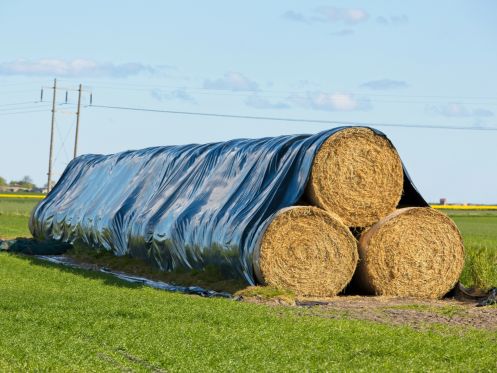
Silage tarps are widely used across the Australian agricultural industry, and for good reason. From large-scale farmers who are storing silage to gardeners trying to reduce weeds in their garden beds, these heavy-duty silage covers offer many long-term benefits.
When they are used correctly, silage tarps can help reduce spoilage, limit damage from moisture, prevent compaction, and support stronger soil health over the growing season.
Investing in a high-quality silage tarp helps protect feed, reduce spoilage, and control weeds, making a significant difference to farm efficiency and profitability. Learn what it means to choose the right tarp the first time, and how it can make all the difference.
What Is A Silage Tarp?
Before exploring what silage tarps are, it’s important to understand what silage is in the first place. It is a type of fermented feed for farm animals such as cattle or sheep, and is made from green foliage crops. According to Agriculture Victoria, many farmers prefer silage over hay because it has a higher feed value, resulting in better stock performance. As a result, silage tarps have become more popular.
Essentially, silage tarps are thick, heavy-duty sheets that are designed to create an airtight seal over stored feed or soil surfaces. They help block oxygen, reduce exposure to air, and protect silage from rain, sunlight, and excess heat.
Over time, the tarps create a dark environment where weed seeds germinate, but can’t survive without light. This is why many farmers and non-farmers alike frequently use silage tarps to manage young weeds and prevent perennial weeds from returning (long-living weeds that regrow from their roots every year).
What Materials Are Best for Silage Covers?
The material or fabric of the silage cover you choose has a major role in its performance, lifespan, and ability to protect silage or control weeds. The durability and thickness of the tarp should be designed to withstand heavy rain and long periods of UV exposure.
Polyethylene Silage Tarps
One of the most widely used materials for tarps, polyethylene is particularly ideal for silage tarps because it is lightweight, flexible, and cost-effective. These tarps are often UV-resistant, which helps improve their durability and lifespan during hot, Western Australian summer conditions.
PVC Silage Tarps
In comparison to polyethylene, PVC silage tarps tend to be heavier and more robust. They are chosen for long-term use when maximum strength is needed. Though it may need a higher initial investment, PVC silage tarps offer strong resistance against wear and tear, which makes them suitable for those who want a reusable tarp that will last multiple seasons.
Common Uses of Silage Tarps in Australia
In Australia, there are multiple ways that silage tarps are used in the agriculture industry:
- Dairy and livestock farm operations storing feed
- Seasonal protection for crops
- Managing, controlling, or killing weeds in gardens
- Composting sites managing their compost and moisture levels
By forming an airtight seal and reducing oxygen, silage tarps effectively create an environment that limits rot, spoilage, and stress on stored feed or soil.
Benefits of Using a UV-Resistant Silage Tarp
Properly installed, UV-resistant silage tarps offer farmers several key advantages.
- Protects stored silage from spoilage and the risk of moisture
- Helps with completely eradicating young and perennial weeds
- Better environment for soil health by reducing disturbances
Additionally, non-farmers or gardeners can also benefit from silage tarps in several ways.
- Help prepare garden beds before planting by blocking light and weakening young weeds
- Being an effective alternative to cardboard, which can break down, rot, or shift during wet weather
- Make it easier to manage two beds or larger areas simultaneously during the growing season
Considerations Before Choosing a Silage Tarp for Weed Control
Before you invest in a silage tarp for weed control, make sure to consider the following:
Size and Coverage
Your silage tarp needs to fully cover the target area with extra material around the edges. By ensuring the silage tarp is large enough to prevent gaps, less air or light is likely to enter, helping it stay effective at preventing weeds from surviving underneath.
Moisture and Soil Conditions
The moisture and soil conditions of the target area should be considered when choosing which silage tarp you buy, because different tarps handle trapped moisture differently. By selecting a durable, UV-resistant silage tarp with either polyethylene or PVC, you can create the damp conditions that help weed seeds germinate and then die off without light.
Price and Usage
If you plan on long-term or repeated usage, investing in a stronger silage tarp can be more cost-effective over time, especially when compared to cheaper covers that wear out quickly. The price of silage tarps varies depending on their thickness, durability, and whether or not the tarp is UV-resistant.
Choose Bee Jays for High-Quality Silage Tarps
If you need a tarp that will last through sun, rain, and heavy usage, Bee Jays Canvas supplies heavy-duty silage tarps that are designed to withstand harsh Australian weather conditions.
Contact the friendly team at Bee Jays Canvas today to find the right silage tarp for your farm, storage facility, or other industrial needs.
FAQs
Do silage tarps let water through?
Most silage tarps are designed to be water-resistant. Even though water can pool on top of it during heavy rain, the tarp itself usually will not allow water to pass through easily.
Are silage tarps reusable?
Yes. With the right care and maintenance, silage tarps can be reused. Their lifespan depends on their thickness and how well they are stored when not in use.
How long does it take for a tarp to kill weeds?
For smaller weeds, results can appear in as little as two weeks. For tougher or deeper-rooted weeds, it may take several weeks or an entire season to fully kill them.
What our customers say
