

What Colour Tarp Lasts the Longest? A Practical Guide for Durability
Choosing the right tarp is essential for industries requiring long-lasting protection in harsh conditions. Mining, agriculture, construction, and transportation companies depend on durable tarps to protect assets and keep operations running smoothly. But when it comes to longevity, what colour tarp lasts the longest? In this guide, we’ll look at the strengths and weaknesses of various tarp colours, including green tarps, silver tarps, and black tarps, to help you make an informed choice about tarp colour and its impact on performance.
Understanding Tarp Materials and Durability
When it comes to selecting a tarp, the material is just as crucial as the colour. Different materials offer unique benefits that can significantly impact the tarp’s performance and longevity.
Polyethylene tarps are a popular choice due to their affordability and versatility. These tarps are water-resistant and provide excellent UV protection, making them suitable for a variety of applications, from covering equipment to creating temporary shelters.
Canvas tarps are favored by outdoor enthusiasts and industries alike for their breathability and durability. These tarps are made from natural fibers, which allow air circulation while providing robust protection. Canvas tarps are particularly useful in environments where moisture control is essential, as they are less prone to condensation buildup.
Choosing the right material for your tarp is essential for ensuring its longevity and effectiveness. Whether you need the affordability of polyethylene, the strength of PVC taprs or the breathability of canvas, understanding the benefits of each material will help you make an informed decision.
Why Tarp Longevity Matters in Industrial Settings
Tarp longevity has a direct impact on operational efficiency and cost. The choice of tarp colours can significantly affect their longevity, as different colours offer varying levels of heat reflection and UV resistance. In industrial settings, long-lasting tarps mean fewer replacements, less downtime, and reliable protection against environmental wear and tear. Custom industrial tarpaulins, like those from Bee Jays Canvas, are designed for tough conditions. However, tarp colour can significantly impact how long they hold up outdoors, especially when exposed to the sun and heat.
Key Factors That Affect Tarp Longevity
Before discussing colours, let’s look at the key factors influencing a tarp’s durability:
- Material: PVC and canvas tarps are widely used in industrial applications. PVC tarps are UV-resistant and waterproof, while canvas tarps are breathable and sturdy but may degrade if exposed to excessive moisture.
- UV resistance: Prolonged exposure to UV rays deteriorates tarp material, so high UV resistance is essential for outdoor use.
- Heat absorption: Dark colours tend to absorb more heat, which can hasten tarp degradation in hot climates. Using a dark tarp can lead to overheating in hot climates but can be beneficial in cooler conditions by providing additional warmth.
- Light colored tarps: Light-colored tarps reflect sunlight, maintaining cooler temperatures and reducing heat absorption. They are particularly advantageous in hot climates and offer better UV resistance.
- Reinforced edges and corners: Heavy-duty tarps with reinforced edges are more resistant to tearing, especially in high-wind or high-wear situations.
How Tarp Colour Impacts Longevity
Colour choice isn’t just aesthetic. Each colour has distinct properties that affect how a tarp performs in different conditions. Here’s a breakdown of popular tarp colours and how they stack up for durability.
Black Tarps: Reliable in Cold Conditions
Black tarps are known for their durability and UV resistance. They’re effective in colder environments where heat retention is an advantage. However, black tarps absorb heat, making them prone to faster wear in hot, sunny areas. This characteristic can benefit temperature control in winter but may lead to material degradation in hotter climates.
- Best for: Cold conditions, shaded areas, and applications needing high UV resistance
- Drawbacks: Heat absorption, which can reduce lifespan in sunny, warm environments
Silver Tarps: Top Choice for Heat Reflection
Wondering what colour tarp to reflect heat? Silver tarps are highly reflective, which helps block heat and sunlight, making them ideal for hot environments. These tarps offer exceptional UV protection, which helps extend their durability when used in direct sunlight. They’re often the preferred choice for industrial applications where absorbing heat needs to be minimised to prevent material breakdown.
- Best for: Hot climates, outdoor storage, and UV protection
- Drawbacks: Less suitable for applications requiring some warmth or insulation
Green Tarps: Versatile and Blends with Natural Surroundings
Green tarps are popular for blending into natural settings, making them useful in agricultural and environmental settings. While green tarps offer moderate UV resistance, they’re not as effective at blocking heat as silver tarps. Their durability can vary based on material, so consider reinforced versions for high-stress applications.
- Best for: Agricultural use, temporary shelters, and environments needing natural camouflage
- Drawbacks: Moderate heat absorption and can degrade faster in intense sunlight
Blue Tarps: Practical But Short-Lived
Many people ask, why are tarps blue, and the answer often relates to cost-effectiveness and visibility on job sites. Blue tarps are common in construction and temporary shelter applications due to their affordability. However, they generally have low UV resistance, which means they tend to wear out faster in sunny conditions. Blue tarps are best for short-term use or shaded areas.
- Best for: Temporary shelters, quick fixes, and construction
- Drawbacks: Low UV resistance and a shorter lifespan outdoors
White Tarps: Cool and UV-Resistant
White tarps reflect sunlight, keeping the tarp cooler in direct sun and offering strong UV protection. This makes them suitable for hot environments and industrial settings where temperature control is crucial. White tarps are also effective for outdoor storage, helping to keep items cool and reducing sun damage.
- Best for: Hot environments, temperature control, outdoor storage
- Drawbacks: May require more frequent cleaning due to visible dirt
Yellow and Bright Orange Tarps: High Visibility, Moderate Durability
Yellow tarps or bright orange tarps are chosen for their high visibility in safety-focused applications, such as construction sites, where their bright colour enhances noticeability in diverse lighting conditions. These tarps may degrade faster under UV exposure, as their materials are typically less UV-resistant than silver or black tarps.
- Best for: High-visibility needs, construction, and safety zones
- Drawbacks: Moderate UV resistance and prone to fading
Features for Added Durability
To maximise the lifespan of your tarp, it’s important to consider additional features that enhance durability and performance.
Reinforced edges and seams are critical for preventing tears and extending the life of your tarp. Heavy-duty tarps with reinforced edges are more resistant to damage, especially in high-wind or high-wear situations. This feature is particularly important for industrial applications where the tarp will be subjected to constant stress.
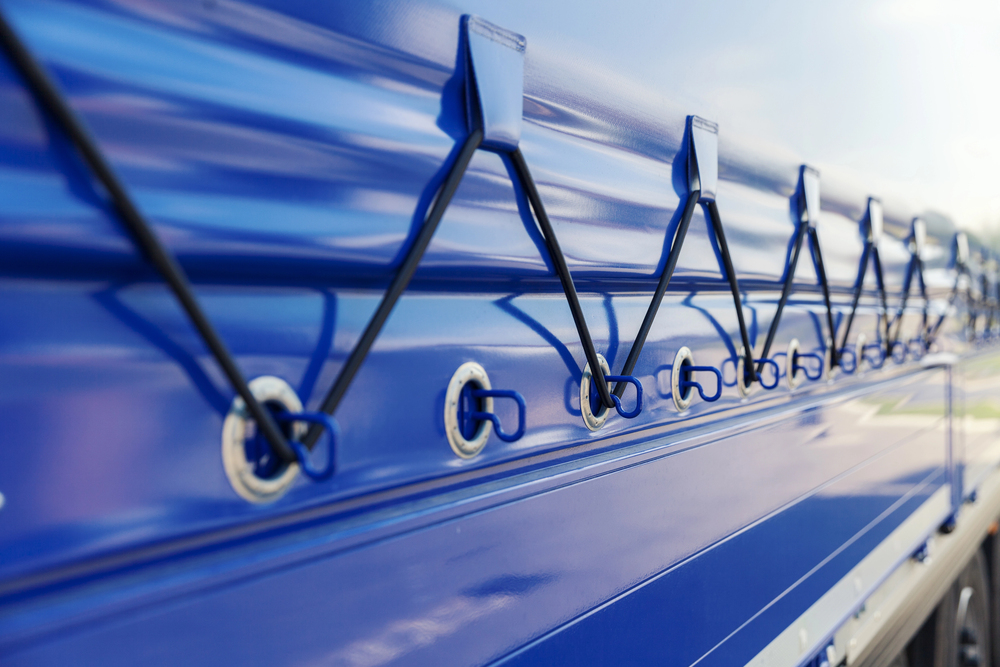
Grommets and tie-downs provide secure attachment points for ropes, bungee cords, or other tie-downs. These features ensure that the tarp can be securely fastened, reducing the risk of it being blown away or damaged by wind. Proper anchoring is essential for maintaining the tarp’s integrity over time.
UV protection is a crucial feature for tarps used in outdoor settings. Prolonged exposure to the sun’s harmful rays can degrade the tarp material, leading to premature wear and tear. Tarps with built-in UV protection are better equipped to withstand sun exposure, ensuring they remain effective for longer periods.
Mildew and rot resistance are essential properties for tarps that will be exposed to moisture. These features help prevent the growth of mould and mildew, which can weaken the tarp material and reduce its lifespan. Tarps with mildew and rot resistance are ideal for environments where moisture is a constant concern.
Tear and abrasion resistance are critical for ensuring that the tarp can withstand rough handling and environmental factors. Heavy-duty tarps with high tear and abrasion resistance are less likely to be damaged by wind, rain, or physical contact, making them a reliable choice for demanding applications.
By considering these features, you can select a tarp that not only meets your immediate needs but also provides long-lasting protection and durability. Whether you need reinforced edges, UV protection, or mildew resistance, choosing a tarp with these added features will help ensure it stands the test of time.
So, What Colour Tarp Lasts the Longest Then?
For long-term durability, silver tarps generally last the longest due to their reflective properties and high UV resistance. They block heat, making them ideal for prolonged outdoor use in sunny climates. Black tarps come in second for durability, especially in colder conditions where heat retention can be advantageous. White tarps are also durable and effective at controlling temperature, making them suitable for a range of applications needing UV protection.
Choosing the Right Tarp for Your Industry
Different industries require different qualities in a tarp. Here’s a quick guide:
- Mining and construction: Silver tarps and black tarps are ideal. Silver tarps reflect heat and are UV-resistant, perfect for hot, open environments, while black tarps offer insulation for colder conditions.
- Agriculture: Green tarps blend with natural surroundings, but silver tarps are recommended if long-term UV exposure is a concern. White tarps may be useful for protecting crops from extreme heat.
- Transport and trucking: For truck tarps, durability is key. Choose silver or black tarps with reinforced edges to withstand wind, sun, and rain exposure.
- Storage and warehousing: White tarps are well-suited for hot climates where you want to keep stored goods cool. They offer excellent UV resistance.
Practical Tips for Extending Tarp Life
- Reinforced edges and corners: Opt for heavy-duty tarps with reinforced edges to prevent tears.
- Proper anchoring: Secure tarps tightly to avoid excessive flapping, which can cause wear.
- Rotate in extreme weather: Prolonged exposure to extreme conditions can shorten tarp life. Rotate tarps or add coverings for additional protection.
- Regular cleaning and inspections: Dust, debris, and damage can wear down tarps faster. Regular maintenance can extend their lifespan.
Final Thoughts
Selecting the right tarp colour for your needs can have a big impact on durability. Silver tarps last the longest in hot, sunny environments, thanks to their reflective surface, while black tarps perform well in colder climates. Each colour has unique advantages, so consider your industry’s specific requirements to ensure optimal performance.
Bee Jays Canvas offers custom industrial tarps in a range of colours and materials, built to meet the demands of Western Australian industries. Choosing the right tarp means longer-lasting protection for your assets and better operational efficiency. Get in contact today.
What our customers say
